




October 8, 2026
By Megan Ryan
My 2001 life bingo card was a real winner: a promotion at my first job, buying our first home and the diagnosis of Common Variable Immune Deficiency (CVID). What a year with two milestones I had hoped for, and one I never expected.
My diagnosis came relatively quickly compared to others, though my mom says a pediatrician suspected an underlying condition when I was in elementary school. I was able to begin intravenous immunoglobulin treatment soon after I was diagnosed. At the time, my doctor encouraged me to focus on the positives: I had a definitive diagnosis, and effective treatment options, including immunoglobulin therapy, were available.
I was diagnosed before the internet became the resource it is today, and looking back, I’m grateful for that. I didn’t spend hours searching for information about potential complications, comorbidities, or life expectancy. In fact, there wasn’t much information available beyond the little National Institutes of Health pamphlet my doctor provided.
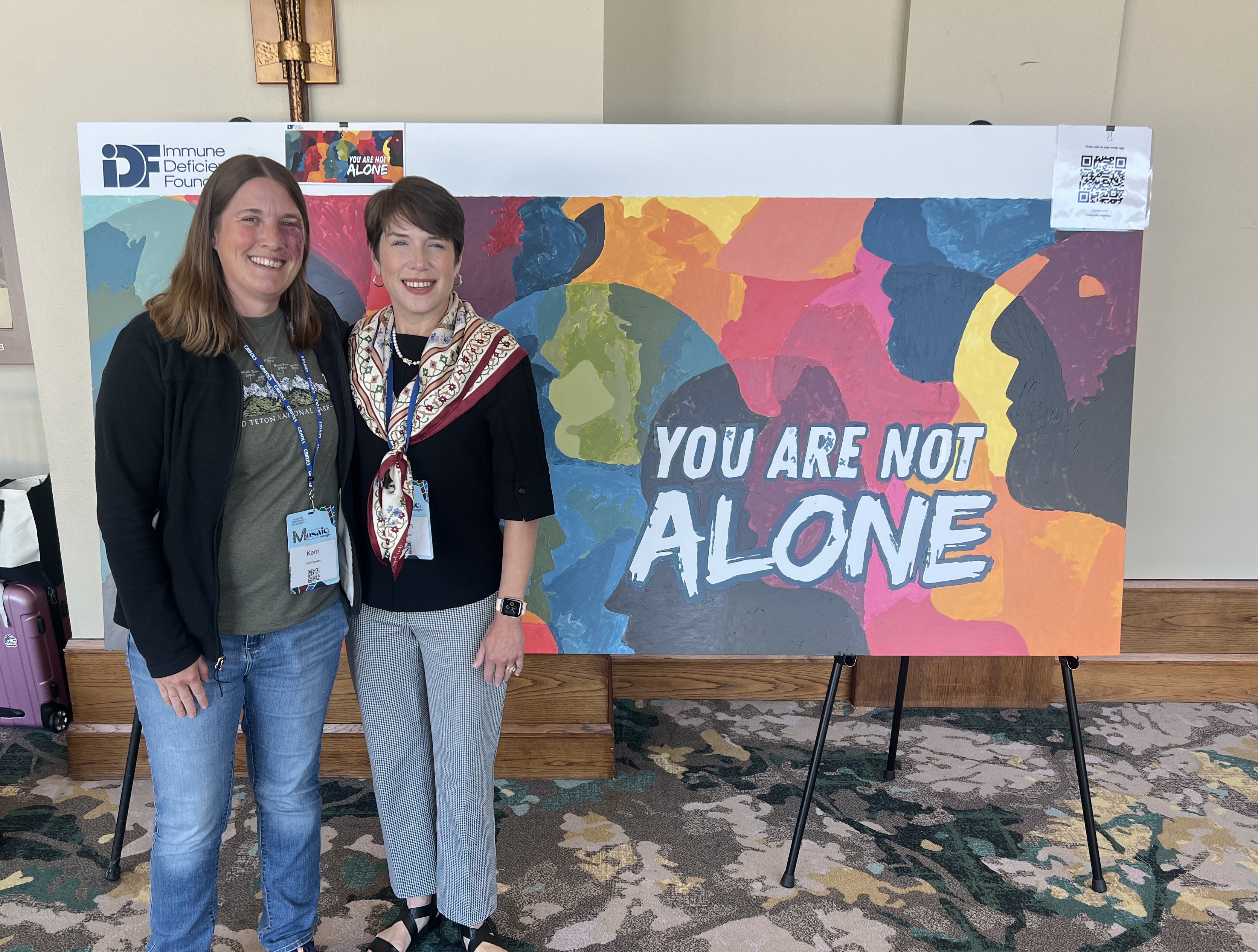
But in 2008, a major change in my health combined with my doctor leaving his practice, forced me to rethink my health care team. My new doctor shared information with me about the national patient advocacy organization for primary immunodeficiency disease, the Immune Deficiency Foundation. I attended my first Immune Deficiency Foundation conference in 2009. Until then, I had never met anyone with my diagnosis.
Walking into a giant hotel ballroom filled with people who understood the realities of living with a complex condition was equal parts overwhelming and inspiring. I met others like me – those receiving immunoglobulin therapy, people managing the same complicated lung conditions and even some living without a spleen! I found my people!
Finding community and connection with other patients has had an incredible positive impact on my life. Let’s face it: living with a rare disease is tough. Finding people with common experiences or who face similar challenges is critical. The Immune Deficiency Foundation has helped me to tap into people in my community who can support me on my journey and who understand what it is like to live with a rare disease. Not having to explain my disease or treatment makes me feel less isolated or alone. In a community of peers, I don’t have to brace myself for someone who just does not get it!
I’ve found others in my patient community who share common interests or situations – those who work in similar settings, those who travel internationally with their infusions, or those who enjoy similar hobbies. I’ve found fellow patients who live with a similar mindset and that has made a world of difference. It is those people who I turn to for support and counsel in tough times, like being hospitalized or finding out there’s just one more diagnosis to add to the list, and in times of celebration, like finding a new specialist who is just the right fit or in non-disease moments, like finding the perfect dress for an upcoming event. Those connections offer so many rewards and a lifeline of hope.
After many years of receiving support from my patient community, I now facilitate two peer support groups. The Immune Deficiency Foundation's Get Connected Groups provide a welcoming space for people living with primary immunodeficiency (PI) to share lived experiences, build meaningful connections, and find hope through mutual support and understanding. We talk candidly and without judgment about our complicated, sometimes very challenging bodies. We listen. We share our triumphs and our concerns. We “peer-source” challenges. We problem-solve together. We cheer each other on. In these peer groups, we become lighthouses for one another, helping each other navigate life with a primary immunodeficiency and reminding each other that we don’t have to do it alone.
If you’re a patient or caregiver who hasn’t yet connected with a patient advocacy organization, I encourage you to make that a priority this year. Patient advocacy organizations provide excellent education resources and programs and are trusted sources for the latest on treatment and research. Patient advocacy organizations offer support programs that allow patients and caregivers to connect based on geography, specific diagnosis, age range, or other interest groups. And there are often many ways to volunteer with those organizations if you are interested and ready for that.
You can visit the National Organization for Rare Disorders (NORD) for support and use their search tools to find a specific disease patient advocacy organization. You might find that community and connection only a few clicks away!
About Megan A. Ryan
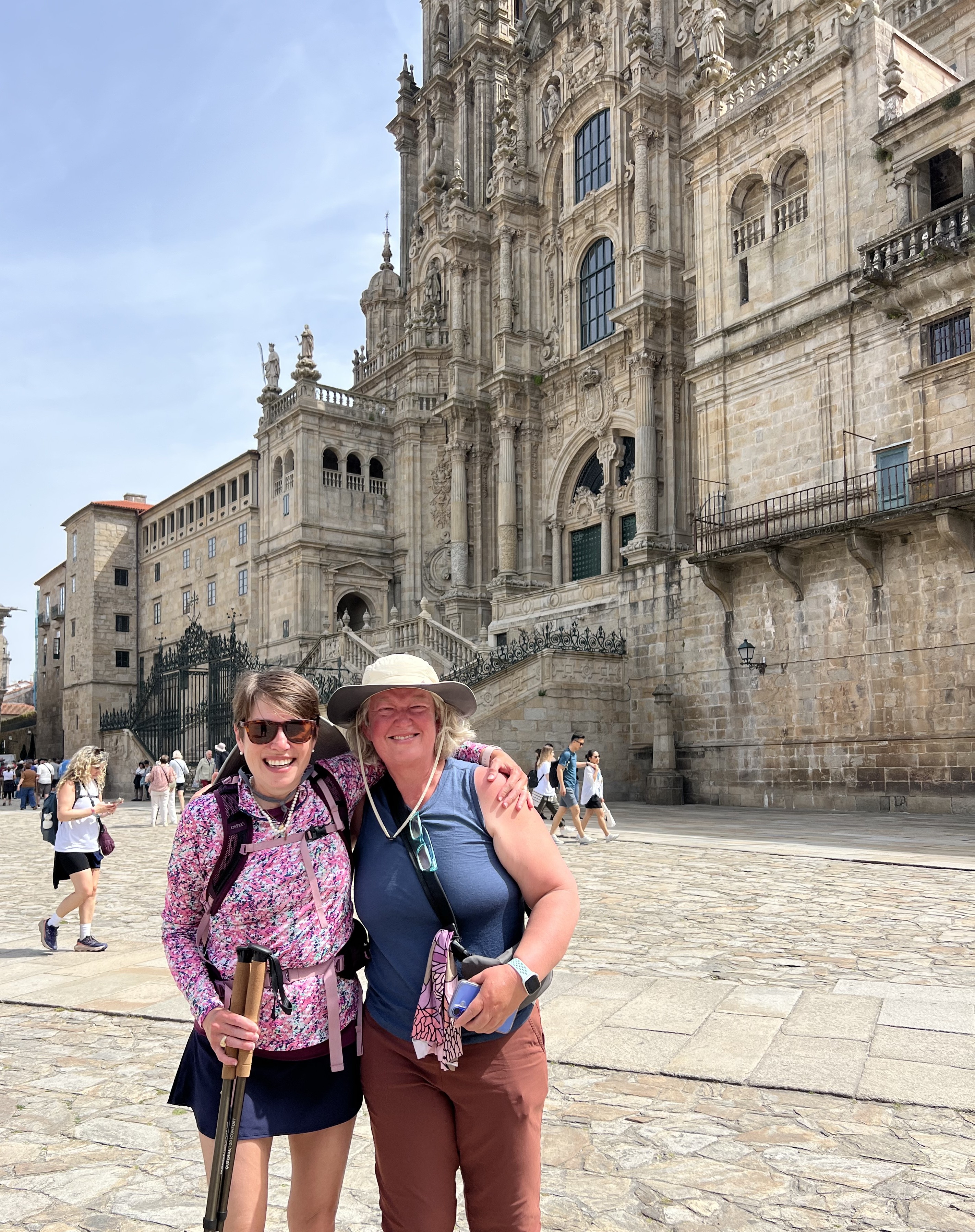
Megan transitioned from a career in auditing and consulting to several volunteer board governance roles for mission-driven organizations. She loves plants and flowers and walking. She can be found each morning walking the park and bayou trails near her home in Houston, Texas. She has completed two long-distance walking pilgrimages on the Camino de Santiago in Spain and Portugal and has many more planned.